
Houseplants have become far more than a home decoration trend. Across Newcastle and the wider UK, more people are filling their homes with greenery in the hope of creating healthier, more relaxing living spaces.
From stylish apartments overlooking Newcastle Quayside to family homes in Gosforth, Heaton and Jesmond, indoor plants are becoming a common sight. While many people are attracted by their appearance, growing evidence suggests certain houseplants may also contribute to improved indoor environments and wellbeing.
Interest in indoor air quality has risen significantly in recent years. According to the US Environmental Protection Agency, people spend approximately 90% of their time indoors, while some indoor pollutant levels can be two to five times higher than those typically found outdoors.
Although experts stress that houseplants should not be viewed as a replacement for proper ventilation, air filtration or regular cleaning, many studies suggest certain plants can help absorb some airborne compounds while offering a range of psychological and lifestyle benefits.
For Newcastle residents looking to add a touch of nature to their homes without taking on a demanding hobby, several low-maintenance houseplants stand out as ideal choices.
Why Indoor Air Quality Matters More Than Ever.
When people think about pollution, they often picture traffic, factories or busy city centres. However, experts say indoor air quality deserves just as much attention.
Everyday household items such as furniture, cleaning products, paints, carpets and even some building materials can release compounds into the air over time. Moisture, dust and pet dander can also affect indoor environments.
This is particularly relevant in the North East, where colder weather often means homes remain sealed for longer periods during autumn and winter. Newcastle residents can spend extended periods indoors during the colder months, making indoor comfort and air quality increasingly important.
While opening windows regularly remains one of the most effective ways to improve airflow, houseplants can provide an attractive additional layer of support while making homes feel calmer and more welcoming.
The Truth About Air-Purifying Plants.
Houseplants are often marketed as natural air purifiers, but the reality is slightly more complicated.
The idea largely comes from NASA's famous Clean Air Study, which examined how certain plants removed compounds such as benzene, formaldehyde and trichloroethylene from sealed environments. Researchers found several common houseplants demonstrated impressive pollutant-removal abilities under laboratory conditions.
However, more recent research suggests the effect inside a typical home is much smaller because buildings have constant air exchange through doors, windows and ventilation systems.
That does not mean houseplants are pointless.
Many experts agree that indoor plants can still contribute positively to indoor spaces by increasing humidity, improving aesthetics, reducing stress and creating a stronger connection to nature. Studies have also linked indoor greenery to improved mood, productivity and wellbeing.
For many homeowners, those benefits alone make houseplants worthwhile.
Snake Plant Remains One Of The Easiest Choices.
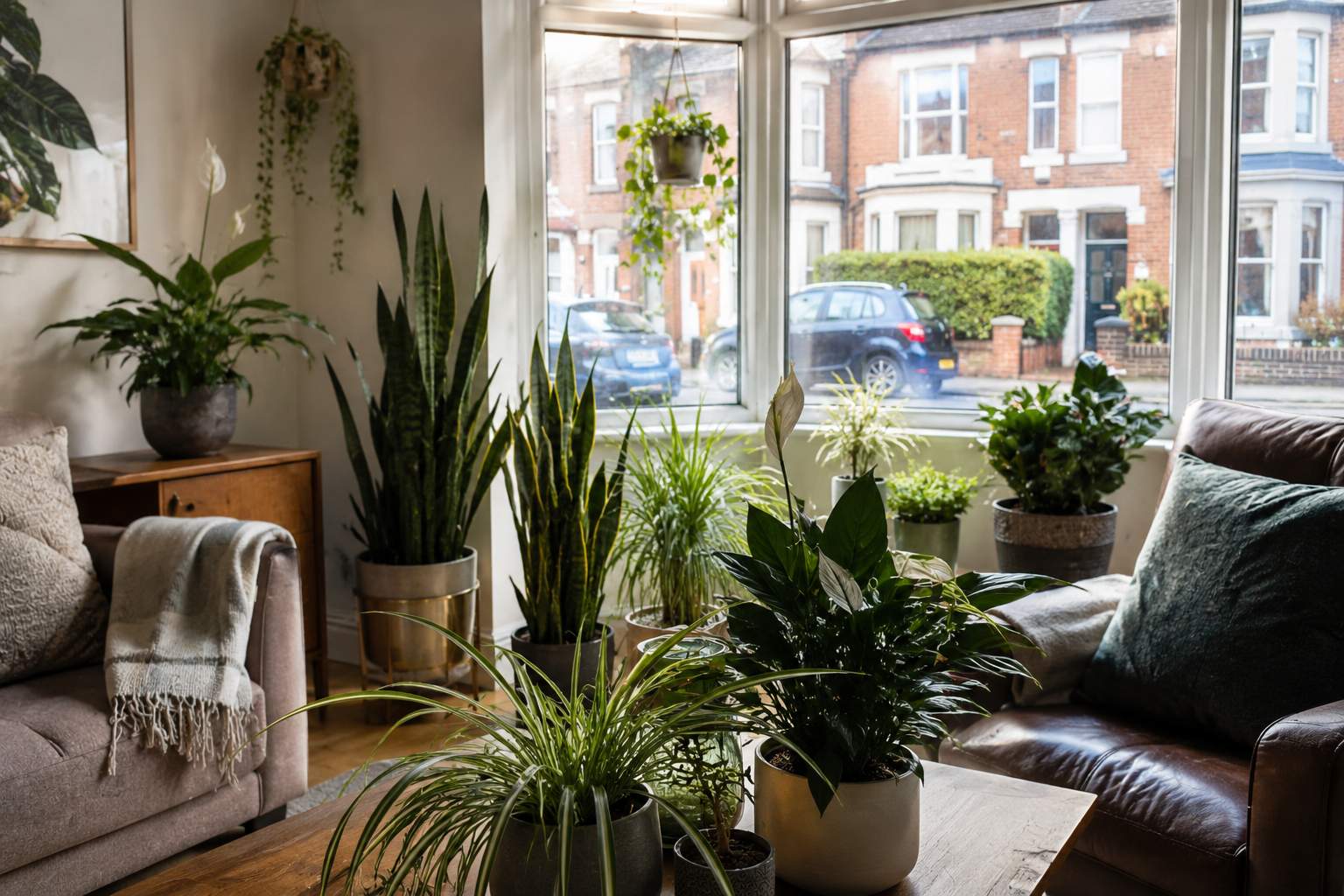
If there were an award for the easiest houseplant to keep alive, the snake plant would be a strong contender.
Also known as Mother-in-Law's Tongue, the snake plant featured prominently in NASA's original research and remains one of the most popular indoor plants in Britain.
Its appeal lies in its resilience. Snake plants tolerate low light, infrequent watering and occasional neglect better than almost any other houseplant.
For Newcastle homeowners with busy schedules, long working hours or limited gardening experience, it offers an ideal introduction to indoor plant care.
Its upright architectural leaves also make it particularly suited to modern homes and apartments.
Spider Plants Continue To Be Family Favourites.
Spider plants have been brightening British homes for generations.
Recognisable by their arching green leaves and small plantlets that hang from the mother plant, they are among the simplest indoor plants to maintain.
Spider plants appeared in NASA's research and have long been associated with improving indoor environments.
They thrive in indirect sunlight and require only moderate watering. Even novice gardeners can usually keep them healthy with minimal effort.
Because they grow quickly and produce baby plants, they are also one of the most affordable ways to fill a home with greenery.
Peace Lilies Add Elegance And Practical Benefits.
For homeowners looking for something more decorative, peace lilies remain one of the most popular choices.
Their glossy leaves and elegant white flowers bring a touch of sophistication to living rooms, bedrooms and home offices.
Peace lilies were among the plants highlighted in NASA's Clean Air Study and continue to be widely recognised for their potential role in removing certain airborne compounds under controlled conditions.
They also tolerate lower light levels, making them suitable for many Newcastle homes where natural sunlight can be limited during winter months.
However, they do require slightly more attention than snake plants and should not be allowed to dry out completely.
Pothos Is Perfect For Beginners.
Golden pothos, sometimes known as Devil's Ivy, has developed a loyal following among plant enthusiasts.
The plant is famous for its trailing vines, rapid growth and ability to survive in a wide variety of indoor conditions.
It has been repeatedly highlighted in air-quality research and remains one of the most recommended plants for beginners.
Pothos can be displayed in hanging baskets, placed on shelves or trained around indoor structures, making it one of the most versatile houseplants available.
For Newcastle renters looking to add personality to flats and smaller living spaces, pothos offers maximum visual impact with minimal maintenance.
English Ivy Continues To Attract Interest.
English ivy may be familiar as an outdoor climbing plant, but smaller indoor varieties are increasingly popular.
NASA research identified ivy as one of several plants capable of removing certain compounds in controlled testing environments.
Its trailing growth makes it particularly attractive on shelves, bookcases and hanging planters.
While it appreciates bright indirect light and slightly more regular care than some alternatives, many gardeners find the effort worthwhile because of its distinctive appearance.
Why Houseplants Are Good For Mental Wellbeing.
While air quality often dominates the conversation, the psychological benefits of houseplants may be even more important.
Research has repeatedly suggested that interaction with plants can reduce stress, improve mood and contribute to feelings of relaxation.
In a busy city such as Newcastle, where work pressures, commuting and everyday responsibilities can feel overwhelming, bringing nature indoors provides a simple way to create a calmer environment.
Many people report that caring for plants becomes a mindful activity that helps them disconnect from screens and daily distractions.
Even a small collection of greenery can transform the atmosphere of a room.
Choosing The Right Plant For Your Newcastle Home.
Not every plant suits every property.
Homes with large south-facing windows may support a wider range of species, while properties with lower light levels may benefit from tougher options such as snake plants, pothos or peace lilies.
Heating systems can also affect indoor conditions. During Newcastle's colder months, central heating often reduces humidity levels, making occasional misting beneficial for some species.
Before purchasing a plant, it is worth considering available light, room temperature, maintenance requirements and whether pets or young children live in the home.
Some popular houseplants can be toxic if ingested, so checking suitability beforehand is always recommended.
Creating A Healthier Indoor Environment.
Houseplants work best as part of a wider approach to indoor wellbeing.
Experts continue to recommend regular ventilation, controlling moisture levels, reducing dust and using extractor fans where appropriate.
Plants alone will not solve indoor air quality issues, but they can play a supporting role while providing visual appeal and psychological benefits.
For many Newcastle residents, that combination is exactly why indoor gardening continues to grow in popularity.
Whether you choose a hardy snake plant, a colourful spider plant or an elegant peace lily, introducing greenery into your home remains one of the simplest and most affordable ways to create a more inviting living space.
As interest in healthier homes continues to grow, it seems likely that houseplants will remain a fixture in Newcastle homes for many years to come.
Drop a reply below and help build the conversation.
Have you found a houseplant that thrives in your Newcastle home?
Lifestyle News
10 Houseplants That Can Help Improve Air Quality In Your Home
Advertisement





Comments (0)
You must be logged in to post comments.
Don't have an account? Register here
No comments yet. Be the first to share your thoughts!