
A blocked sink can quickly turn from a small annoyance into a major household headache, especially when dirty water refuses to drain and unpleasant smells begin filling the kitchen or bathroom.
For many homeowners, the first instinct is to call a plumber. However, experts say most blocked sinks can actually be fixed in minutes using simple DIY methods and low-cost household items already sitting in cupboards.
From grease build-up in kitchen pipes to hair clogging bathroom drains, blocked sinks are among the most common home maintenance issues across the UK. The good news is that many of these problems can be solved without expensive callout fees or specialist equipment.
With plumbers often charging more than £80 just to inspect a blocked drain, learning a few simple tricks could save households hundreds of pounds each year.
Why Sinks Become Blocked In The First Place.
Understanding what causes a blockage is often the first step towards fixing it properly.
Kitchen sinks are usually clogged by grease, fat, food scraps and soap residue that slowly build up inside pipes over time. Even small amounts of cooking oil poured down the drain can harden and trap debris.
Bathroom sinks tend to suffer from a different problem. Hair, toothpaste, shaving foam and soap scum commonly collect around the plughole and inside the waste pipe.
In many homes, the blockage develops gradually. Water may begin draining more slowly before eventually stopping altogether.
Experts warn that ignoring the problem can make it worse, potentially leading to overflowing sinks, leaks or unpleasant odours throughout the home.
Hot Water Can Sometimes Fix The Problem Immediately.
One of the easiest and cheapest methods involves using boiling water.
For kitchen sinks clogged with grease or soap residue, carefully pouring a kettle of boiling water directly down the plughole can sometimes dissolve the blockage almost instantly.
Many plumbers recommend doing this in stages rather than all at once. Pouring small amounts slowly allows the heat to break down hardened grease more effectively.
However, homeowners should avoid using boiling water on PVC pipes if they suspect the plumbing is old or damaged, as excessive heat may weaken certain materials.
If hot water alone does not clear the blockage, experts suggest moving on to natural cleaning solutions before reaching for harsh chemical drain cleaners.
Baking Soda And Vinegar Remain Popular DIY Solutions.
One of the most widely used home remedies for blocked sinks involves baking soda and white vinegar.
The combination creates a fizzing chemical reaction that can help loosen grime, grease and small debris trapped inside pipes.
To try the method, homeowners should first remove as much standing water from the sink as possible. Pour one cup of baking soda into the drain followed by one cup of white vinegar.
The mixture should then be left for around 15 to 30 minutes before flushing the drain with hot water.
While this method may not remove severe blockages, it often works well for slow-draining sinks and can help reduce unpleasant smells at the same time.
Many households prefer this approach because it avoids the strong fumes and corrosive chemicals found in some commercial drain products.
A Plunger Can Still Be One Of The Best Tools.
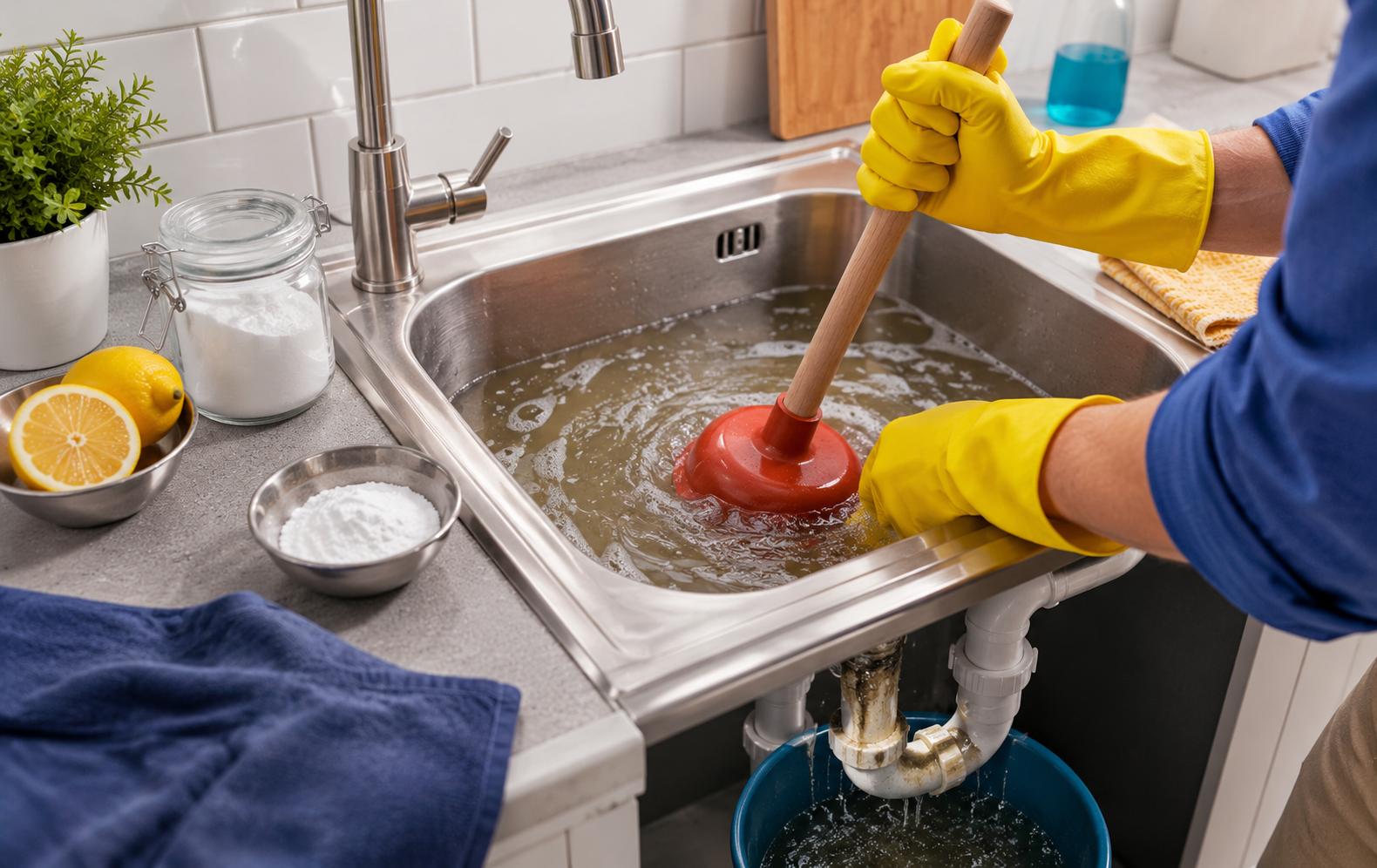
Although often associated with toilets, a standard sink plunger can be highly effective for clearing blocked drains.
Plungers work by creating pressure inside the pipe, helping dislodge trapped debris and restore water flow.
To use one properly, homeowners should partially fill the sink with water before placing the plunger firmly over the drain opening.
Quick up-and-down movements usually create enough suction to loosen the blockage after several attempts.
Experts recommend covering any overflow holes with a cloth during the process to improve pressure and increase effectiveness.
For stubborn clogs, combining plunging with hot water or baking soda treatments can often deliver better results.
Removing The U-Bend May Solve More Serious Blockages.
If the sink remains blocked after trying basic methods, the problem may be trapped inside the U-bend pipe beneath the sink.
The curved section of pipe is specifically designed to catch debris and prevent unpleasant sewer smells from entering the home.
Homeowners confident with simple DIY tasks can usually remove the U-bend themselves using a bucket, towels and adjustable pliers.
After placing the bucket underneath to catch water, the pipe fittings can be loosened carefully before removing trapped debris manually.
Hair, food waste and hardened grease are often found causing major obstructions inside the bend.
Experts advise wearing gloves during the process and checking the pipe thoroughly before reattaching it securely.
Why Chemical Drain Cleaners Should Be Used Carefully.
Many supermarkets sell powerful drain cleaning chemicals promising instant results, but plumbing experts say they should be used cautiously.
Some products contain highly corrosive ingredients that may damage pipes over time if used repeatedly.
Strong chemical cleaners can also create dangerous fumes and may pose health risks if handled incorrectly.
For households with children or pets, natural cleaning methods are often considered safer alternatives.
If chemical products are used, homeowners should always follow instructions carefully and avoid mixing different cleaners together.
When It Is Time To Call A Professional.
While many sink blockages can be solved at home, some problems may require professional help.
Persistent blockages affecting multiple drains at once could indicate a deeper issue within the main sewer line.
Gurgling sounds, foul smells and repeated flooding may also suggest more serious plumbing problems that simple DIY methods cannot fix.
Experts say homeowners should contact a plumber if the blockage keeps returning despite repeated attempts to clear it.
In some cases, professional drain cameras or high-pressure jetting equipment may be needed to fully remove stubborn obstructions.
Simple Habits Can Help Prevent Future Blockages.
Preventing blocked sinks is usually much easier than fixing them later.
Experts recommend avoiding pouring fats, oils and food scraps down kitchen drains while regularly removing hair from bathroom plugholes.
Using sink strainers can also help catch debris before it enters pipes.
Flushing drains regularly with hot water and occasional baking soda treatments may help prevent grease and soap build-up over time.
By following a few simple habits, many households can avoid costly plumbing callouts altogether and keep their sinks running smoothly year-round.
Have you ever fixed a blocked sink yourself without calling a plumber? Share your best DIY drain cleaning tips and home repair hacks in the comments below.
What is the worst plumbing problem you have faced at home? Join the discussion and let readers know which cheap DIY fixes actually worked for you.
Lifestyle News
How to Unblock a Sink Without Calling a Plumber - Simple DIY Fixes That Could Save You Hundreds.
Advertisement





Comments (0)
You must be logged in to post comments.
Don't have an account? Register here
No comments yet. Be the first to share your thoughts!