
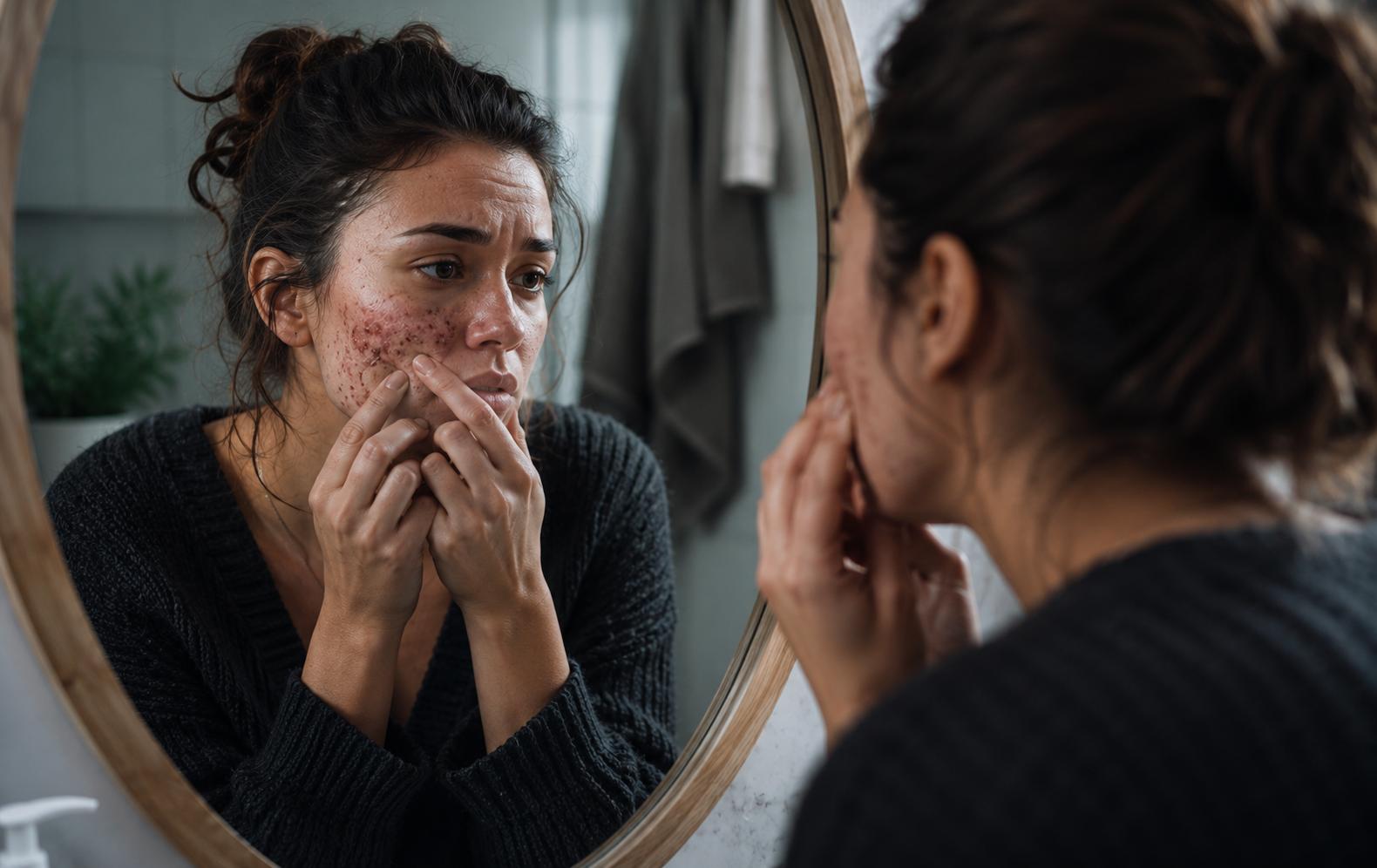
Skin picking disorder, also known as dermatillomania or excoriation disorder, is a mental health condition that causes people to repeatedly pick at their skin, often to the point of causing injury. While many people occasionally pick spots, scabs or dry skin from time to time, skin picking disorder goes far beyond normal habits and can seriously affect both physical and emotional wellbeing.
The condition is considered a body-focused repetitive behaviour and is closely linked to obsessive compulsive disorder (OCD). For some people, the urge to pick becomes overwhelming and difficult to control, even when it causes pain, bleeding or long-term scarring.
Although skin picking disorder is more common than many people realise, it is still widely misunderstood. Many people living with the condition struggle silently due to embarrassment, shame or fear of judgement.
What Is Skin Picking Disorder?
Skin picking disorder involves repetitive picking, scratching or squeezing of the skin that becomes difficult to stop. People may target healthy skin, small blemishes, acne, scabs, freckles or moles in an attempt to “fix” or smooth imperfections.
In many cases, people do not even realise they are picking until damage has already occurred. Others may spend long periods focusing intensely on certain areas of the skin, especially during times of stress, boredom or anxiety.
The behaviour can affect many parts of the body, but common areas include:
the face
arms
scalp
hands
legs
lips
Some people use only their fingers or fingernails, while others may use tools such as tweezers, pins or scissors.
Common Signs of Dermatillomania.
The symptoms of skin picking disorder can vary from person to person. Some people experience mild urges occasionally, while others face severe compulsive behaviours that interfere with daily life.
Common signs include:
being unable to stop picking the skin
causing cuts, bruises or bleeding
repeatedly picking spots, scars or scabs
spending long periods focused on skin imperfections
feeling anxious or stressed before picking
feeling temporary relief after picking
experiencing shame, guilt or embarrassment afterwards
Many people with dermatillomania try to hide marks or scars using makeup, clothing or avoidance of social situations.
What Causes Skin Picking Disorder?
There is no single known cause of skin picking disorder, but mental health professionals believe it develops through a combination of emotional, psychological and behavioural factors.
The condition is strongly linked to anxiety and obsessive compulsive behaviours. For some people, skin picking becomes a coping mechanism during stressful situations or emotional distress.
Several triggers are commonly associated with dermatillomania, including:
Stress and Anxiety.
Many people notice stronger urges to pick during periods of stress, pressure or emotional overwhelm. Picking may temporarily reduce feelings of tension, even though it often creates further distress afterwards.
Boredom or Inactivity.
Some individuals pick their skin automatically while watching television, studying or sitting alone without realising how much time has passed.
Skin Conditions.
Conditions such as acne, eczema or dry skin can increase urges to pick because people become hyper-focused on imperfections or texture.
Negative Emotions.
Feelings of guilt, frustration, loneliness or low self-esteem may also contribute to repetitive skin picking behaviours.
The Emotional Impact of Skin Picking Disorder.
Although the physical damage can be serious, the emotional impact of skin picking disorder is often equally difficult.
Many people experience:
low confidence
social anxiety
embarrassment
depression
isolation
frustration from failed attempts to stop
The condition can also affect work, relationships and daily routines. Some people avoid public places, dating or social events because they feel self-conscious about visible marks or scars.
Unfortunately, shame often prevents people from seeking support, meaning many live with the condition for years before receiving help.
Things That May Help Reduce Skin Picking.
While professional treatment is sometimes necessary, there are also practical strategies that may help reduce urges to pick.
Some commonly recommended techniques include:
keeping hands busy using stress balls or fidget tools
wearing gloves during trigger periods
trimming fingernails short
identifying emotional triggers
avoiding mirrors during stressful moments
using moisturiser instead of picking
keeping skin clean to reduce irritation
Building awareness around triggers is often an important first step in managing the condition.
Treatment for Skin Picking Disorder.
Treatment for dermatillomania usually focuses on reducing compulsive behaviours while improving emotional coping strategies.
Cognitive Behavioural Therapy (CBT).
One of the most effective treatments for skin picking disorder is cognitive behavioural therapy, often combined with a technique called habit reversal training.
Habit reversal training helps people:
recognise triggers
become more aware of picking behaviours
replace skin picking with safer alternative actions
Over time, this can help reduce automatic behaviours and improve emotional control.
Medication.
In some cases, medication may also be recommended, particularly when skin picking disorder is linked to anxiety, depression or OCD.
Treatment plans vary depending on the severity of symptoms and any related mental health conditions.
When to Seek Professional Help.
People should consider seeking medical advice if:
they cannot stop picking their skin
the behaviour causes injury or infection
wounds are not healing properly
picking affects mental health or daily life
A GP may refer someone to mental health services, talking therapy or a dermatologist if severe skin damage is present.
Early support can make a significant difference in reducing symptoms and preventing long-term harm.
Skin Picking Disorder Is More Common Than People Realise.
Although dermatillomania remains less talked about than many other mental health conditions, awareness around compulsive skin picking has increased in recent years.
Experts believe many people live with the condition without diagnosis because they assume it is simply a “bad habit” rather than a recognised mental health disorder.
Understanding skin picking disorder more openly may help reduce stigma and encourage more people to seek support without shame or embarrassment.
Have you or someone you know experienced skin picking disorder or compulsive skin picking behaviours? Share your thoughts, coping strategies and experiences in the comments below to help raise awareness around dermatillomania and mental health support.
Health News
What Is Skin Picking Disorder? Signs, Causes and Treatments for Dermatillomania Explained
Advertisement




Comments (0)
You must be logged in to post comments.
Don't have an account? Register here
No comments yet. Be the first to share your thoughts!